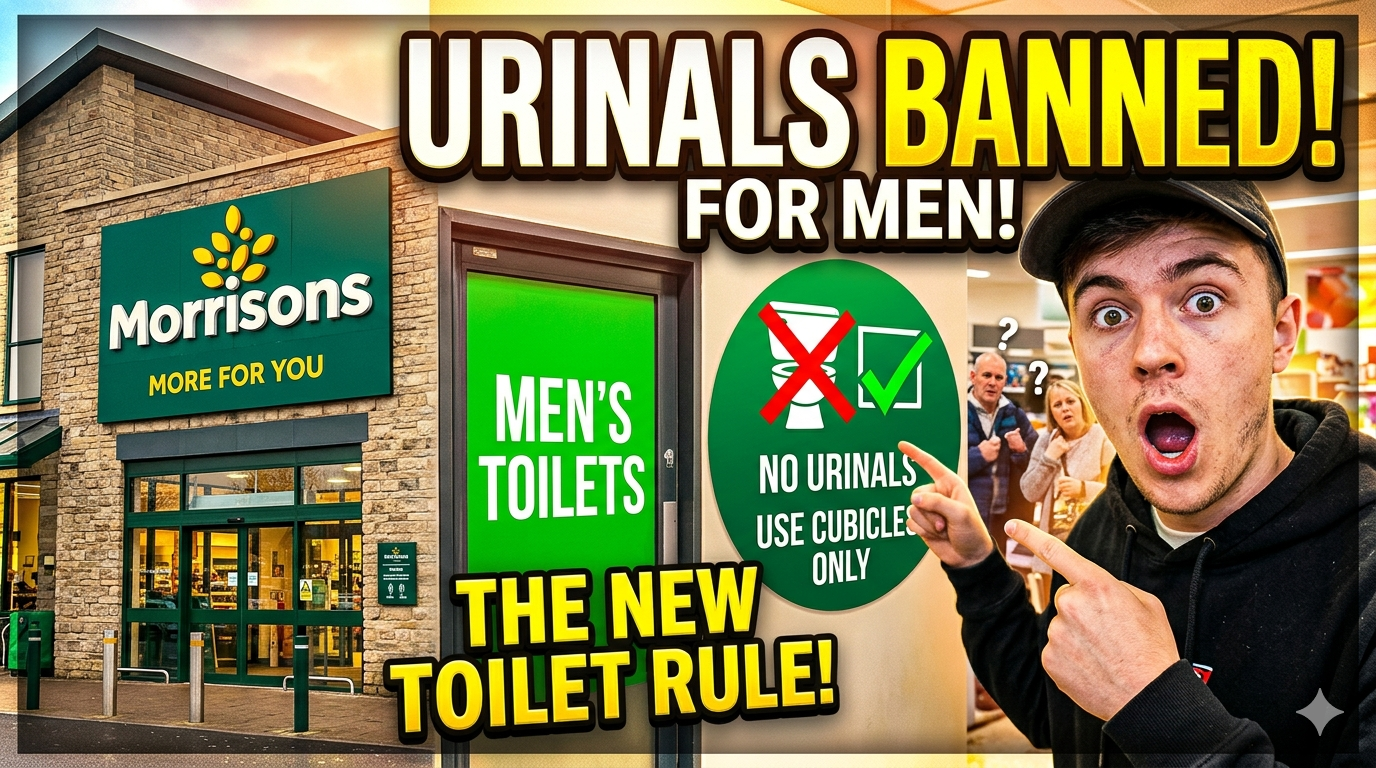
The morrisons toilet rule has suddenly become one of the most searched supermarket topics online. Customers across the UK are asking questions like “What is Morrisons’ new toilet rule?”, “Do Morrisons have a toilet?”, and even comparing it with the washroom rule in India.
As discussions spread across social media platforms and search engines, many shoppers are trying to understand exactly what the new policy means and how it could affect their shopping experience.
In this article, we will break down the latest information about the morrisons toilet rule, explain why it is trending, discuss customer reactions, compare it with public washroom practices in India, and answer some of the most searched questions surrounding the issue.
What Is Morrisons’ New Toilet Rule?
The new morrisons toilet rule refers to changes and stricter management policies related to customer toilet access in some Morrisons stores across the UK. Reports suggest that certain branches are reviewing how public toilets are used due to increasing concerns over maintenance costs, misuse, safety, and hygiene issues.
Some shoppers claimed that access to toilets became more restricted, while others noticed clearer signs about who can use facilities and under what circumstances. In several discussions online, customers said staff sometimes directed them to ask for assistance before using washrooms.
Although not every Morrisons branch follows identical procedures, the topic became viral after customers started sharing their experiences online.
The debate around the morrisons toilet rule quickly gained traction because supermarket toilets are considered an essential convenience, especially for:
- Elderly shoppers
- Parents with children
- Pregnant women
- Disabled customers
- Long-distance travelers
This is why any change related to toilet access often becomes a highly emotional and widely discussed issue.
Why Is the Morrisons Toilet Rule Trending?
The morrisons toilet rule is trending because consumers today expect supermarkets to provide accessible and clean washroom facilities. When people hear about restrictions or policy changes, it naturally creates concern.
Several factors made the story go viral:
1. Social Media Discussions
Customers posted their experiences online, claiming that toilets were locked or required staff permission in some locations.
2. Accessibility Concerns
Many people argued that restricting toilets could create problems for vulnerable shoppers.
3. Hygiene and Safety Issues
Others defended Morrisons, saying supermarkets face genuine challenges such as vandalism, misuse, and cleaning expenses.
4. Growing Public Interest
Searches like:
- What is Morrisons’ new toilet rule?
- Do Morrisons have a toilet?
- morrisons toilet rule
began trending rapidly on Google.
Do Morrisons Have a Toilet?
One of the most searched questions online is: “Do Morrisons have a toilet?”
The answer is yes — many Morrisons stores across the UK provide customer toilet facilities. Large supermarket branches often include:
- Standard washrooms
- Accessible disabled toilets
- Baby changing areas
- Parent and child facilities
However, toilet availability can vary depending on:
- Store size
- Location
- Opening hours
- Maintenance work
- Local management decisions
Smaller convenience-format stores may not always offer public washrooms.
This is one reason why the morrisons toilet rule conversation became so popular — customers want clarity about whether toilets remain freely accessible in every branch.
Customer Reactions to the Morrisons Toilet Rule
Public reactions to the morrisons toilet rule have been mixed.
Customers Against the Rule
Some shoppers believe supermarkets should always provide easy toilet access. Critics argue that restricting facilities can create uncomfortable situations, especially for people with medical conditions.
Common complaints include:
- Difficulty finding staff assistance
- Long waiting times
- Locked facilities
- Reduced convenience
Several customers said supermarkets should prioritize customer comfort over stricter access rules.
Customers Supporting the Rule
On the other hand, many people support stricter toilet policies. They argue that public washrooms are often:
- Misused
- Damaged
- Left dirty
- Unsafe for staff and customers
Supporters believe better control can improve cleanliness and reduce maintenance costs.
This divide in public opinion is one reason why the morrisons toilet rule continues to trend online.
What Is the Washroom Rule in India?
Another trending search related to this story is: “What is the washroom rule in India?”
In India, public washroom access varies greatly depending on the location and type of establishment.
Common Washroom Practices in India
In malls, restaurants, petrol pumps, and supermarkets, washrooms are usually available for customers. However:
- Some places restrict access to paying customers only
- Many public toilets charge small usage fees
- Hygiene standards vary significantly
- Access in rural areas can be limited
Government programs like Swachh Bharat Abhiyan helped improve public sanitation awareness and toilet availability across India.
Compared to the UK supermarket system, India’s washroom culture can differ in terms of:
- Accessibility
- Cleanliness standards
- User fees
- Public infrastructure
This is why many Indian readers became curious about the morrisons toilet rule and started comparing it with local washroom policies.
Why Supermarket Toilets Matter More Than Ever
The discussion around the morrisons toilet rule highlights a bigger issue: customer expectations are changing.
Modern shoppers increasingly expect supermarkets to offer:
- Clean toilets
- Family-friendly facilities
- Accessible disabled washrooms
- Hygiene-focused maintenance
Toilets are no longer considered a “bonus service.” Many customers now see them as an essential part of the shopping experience.
For elderly customers or families traveling with children, accessible washrooms can strongly influence where they choose to shop.
Hygiene Challenges Facing Supermarkets
Maintaining public toilets is not easy. Large retailers face several challenges, including:
1. Cleaning Costs
Frequent cleaning requires staff time and resources.
2. Vandalism
Some facilities experience intentional damage.
3. Safety Concerns
Retailers must ensure toilets remain safe and secure.
4. Misuse by Non-Customers
Public washrooms can attract misuse from individuals not shopping at the store.
These issues may explain why policies connected to the morrisons toilet rule are evolving.
How Other Supermarkets Handle Toilet Access
The morrisons toilet rule debate also raised comparisons with other UK supermarket chains.
Many major supermarkets provide customer toilets, including:
- Tesco
- Sainsbury’s
- ASDA
- Aldi
- Lidl
However, policies differ by location and store size.
Some supermarkets:
- Keep toilets fully open
- Require staff assistance
- Limit access during late hours
- Reserve facilities for customers only
Because there is no universal supermarket toilet policy, local branch management often plays a major role.
Social Media’s Role in Viral Retail Stories
The rapid spread of the morrisons toilet rule story shows how social media can transform small customer experiences into national discussions.
Platforms like:
- TikTok
- X (Twitter)
allow shoppers to instantly share opinions and complaints.
Even a single viral post about locked toilets or access issues can create huge public attention.
This trend demonstrates how supermarkets today must carefully manage customer experiences because online reactions can quickly impact brand reputation.
Accessibility and Disability Concerns
One of the most serious parts of the morrisons toilet rule debate involves accessibility.
Disabled shoppers and people with medical conditions often rely heavily on public toilets during outings. Advocacy groups frequently emphasize that washroom access should remain simple and inclusive.
Conditions such as:
- Crohn’s disease
- IBS
- Pregnancy-related needs
- Mobility issues
make accessible toilets especially important.
Many consumers argue that any policy change should prioritize vulnerable individuals first.
Could More Supermarkets Introduce Similar Rules?
Retail experts believe more supermarkets may review toilet access policies in the future due to:
- Rising maintenance costs
- Hygiene expectations
- Staffing pressures
- Security concerns
However, companies must balance operational needs with customer convenience.
The public reaction to the morrisons toilet rule may influence how other retailers approach similar decisions moving forward.
Public Opinion Remains Divided
The conversation surrounding the morrisons toilet rule continues to divide public opinion.
Some People Believe:
- Toilets should always remain freely available
- Supermarkets have a responsibility to customers
- Accessibility should come first
Others Believe:
- Rules help maintain cleanliness
- Facilities are often abused
- Staff safety matters too
This ongoing debate is likely to continue as retailers modernize store policies.