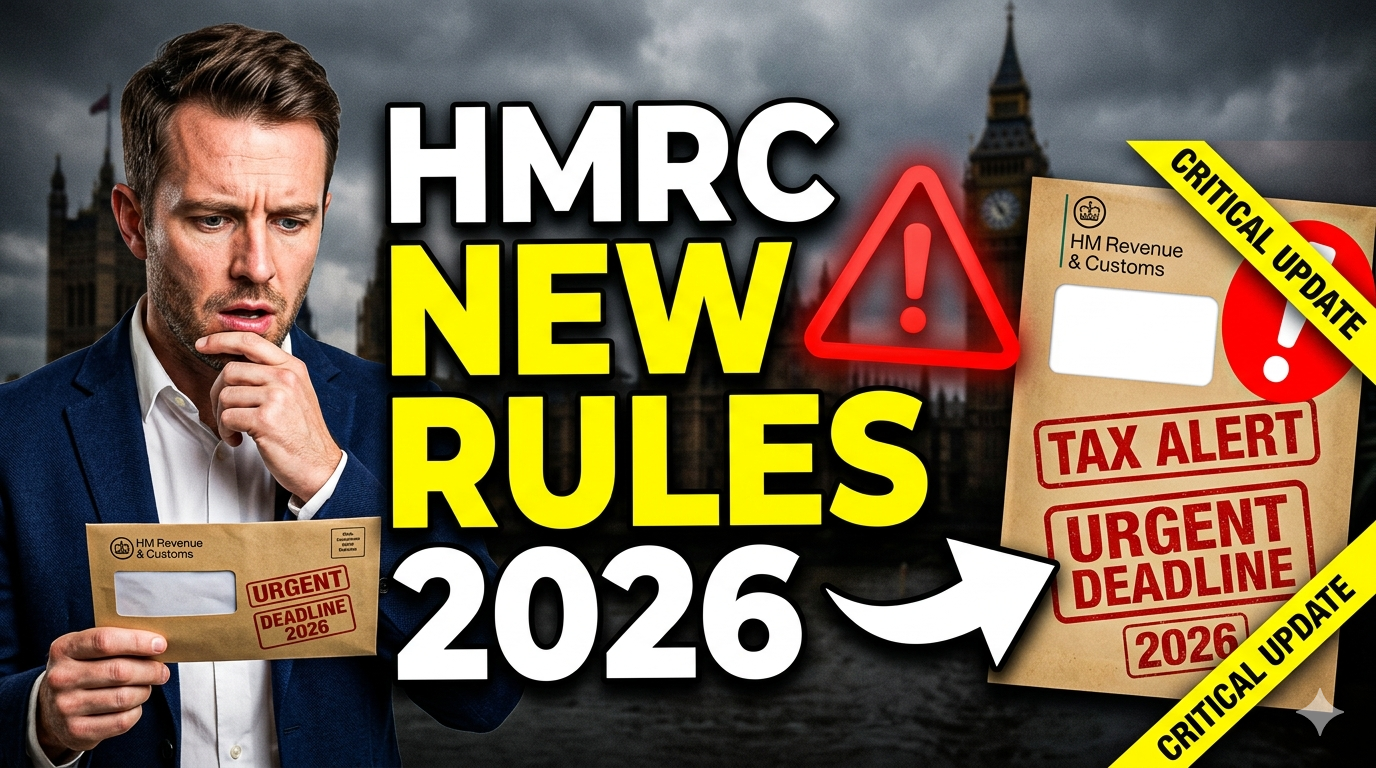
In recent months, thousands of UK taxpayers have been caught off guard by unexpected tax bills, missed deadlines, and confusing notices from HM Revenue & Customs (HMRC). From rising concerns about HMRC alert number searches to reports of HMRC technical issues today, many Britons are looking for clear answers.
This comprehensive guide explains everything you need to know—from how to respond if you’ve received a letter from HMRC, to how to contact the agency using the correct HMRC contact number, and what to do if you encounter problems with HMRC alert online systems.
What Is an HMRC Alert and Why Are People Concerned?
An HMRC alert is an official communication issued by HMRC to notify taxpayers about important matters such as unpaid taxes, filing deadlines, penalties, or suspicious activity. Recently, a surge in alerts has raised alarm among UK residents due to unexpected tax bills and missed deadlines.
Many taxpayers report receiving notices without prior warning, often due to system errors, delayed filings, or confusion around the Self Assessment tax return process. This has led to a spike in searches for terms like HMRC alert contact number and HMRC technical issues today.
HMRC Technical Issues Today: What’s Happening?
One major reason behind the confusion is ongoing HMRC technical issues today. Users have reported:
- Difficulty accessing the HMRC online portal
- Errors while submitting tax returns
- Delayed processing of payments
- Missing confirmations for submitted forms
These HMRC alert online issues can result in penalties even if you attempted to comply on time. If you’re facing such problems, it’s crucial to document everything—screenshots, timestamps, and confirmation emails—to support your case.
HMRC Contact Number and How to Reach Support
If you’ve received an alert or notice, contacting HMRC directly is often the best course of action. Here are key ways to reach them:
HMRC Contact Number
- Self Assessment helpline: 0300 200 3310
- General inquiries: 0300 200 3300
When calling, be prepared with your Unique Taxpayer Reference (UTR) and personal details. Due to high demand, waiting times may be long—especially during peak tax seasons.
Searching for the correct HMRC alert contact number is essential, as scammers often impersonate HMRC. Always verify numbers through official channels.
HMRC Alert Online: Managing Your Tax Digitally
The HMRC alert online system allows taxpayers to:
- Check tax liabilities
- Receive notifications
- Submit returns
- Track payments
However, due to recent HMRC technical issues today, many users have found the system unreliable. If you cannot access your account, try:
- Clearing browser cache
- Using a different device
- Logging in during off-peak hours
If problems persist, contact the HMRC contact number for assistance.
I Have Received a Letter from HMRC – What Should I Do?
Receiving a letter from HMRC can be stressful, but not all letters indicate a serious problem. If you’re thinking, “I have received a letter from HMRC—what now?”, follow these steps:
1. Read the Letter Carefully
Check whether it’s:
- A tax demand
- A penalty notice
- A request for information
- A compliance check
2. Verify Authenticity
Ensure the HMRC letter is genuine. Look for:
- Official HMRC logo
- Correct formatting
- No spelling errors
- Reference numbers
If in doubt, call the HMRC contact number.
3. Respond Promptly
Ignoring an HMRC letter can lead to penalties or legal action. Always respond within the given timeframe.
4. Seek Professional Advice
If the issue is complex, consider consulting a tax advisor or accountant.
Understanding HMRC Letters and Notices
An HMRC letter may cover various topics, including:
- Late filing penalties
- Underpaid taxes
- Audit or investigation notices
- Refund confirmations
With the rise in HMRC alert online notifications, physical letters are still commonly used for serious matters. If you receive multiple alerts—both online and by post—it’s important to reconcile the information.
HMRC London: Headquarters and Services
HMRC’s main operations are based in London, where policy decisions and national tax administration are coordinated.
While most services are digital, some cases may require in-person appointments or correspondence with HMRC offices. However, direct visits are rare and usually require prior scheduling.
Why Thousands Missed the HMRC Deadline
Several factors contributed to taxpayers missing deadlines:
- Confusion over filing dates
- Technical glitches in the HMRC portal
- Lack of awareness about obligations
- Delayed reminders
As a result, many individuals are now facing unexpected penalties and searching for HMRC alert number or HMRC alert contact number to resolve their issues.
How to Avoid HMRC Penalties in the Future
To prevent future problems:
1. File Early
Avoid last-minute submissions to reduce risk from HMRC technical issues today.
2. Use HMRC Alert Online Tools
Enable notifications to stay updated on deadlines and changes.
3. Keep Records Organized
Maintain accurate financial records for at least 5 years.
4. Double-Check Submissions
Ensure all information is correct before submitting.
5. Stay Informed
Regularly check updates from HMRC.
Common Scams Related to HMRC Alerts
With increased attention on HMRC alert online, scammers are exploiting the situation. Be cautious of:
- Fake emails requesting payments
- SMS messages with suspicious links
- Calls asking for personal details
Always verify through the official HMRC contact number before taking action.