Thousands of UK taxpayers have been left shocked after receiving unexpected tax bills, following a wave of missed deadlines and system-related issues linked to HM Revenue & Customs (HMRC). The latest HMRC alert has sparked widespread concern, with many people urgently searching for the HMRC contact number, checking HMRC alert online, and trying to understand why they’ve suddenly been asked to pay more tax.
Why Are Britons Receiving Unexpected Tax Bills?
The recent HMRC alert highlights a growing issue where individuals are being hit with surprise tax demands. In many cases, taxpayers were unaware they had missed the Self Assessment deadline, leading to automatic penalties and interest charges.
Several key reasons explain these unexpected bills:
- Missed filing deadlines
- Errors in submitted tax returns
- Delays caused by HMRC technical issues today
- Incorrect tax codes or underpaid tax from previous years
As a result, thousands are now dealing with financial stress and confusion, prompting a surge in searches like “HMRC alert number” and “HMRC alert contact number.”
HMRC Technical Issues Today Adding to the Problem
A major contributor to the issue has been ongoing HMRC technical issues today, which have disrupted online services for many users. Taxpayers have reported:
- Inability to log into HMRC accounts
- Failed payment processing
- Missing submission confirmations
- System crashes during filing
These problems have made it harder for individuals to meet deadlines, yet penalties are still being applied—adding to the frustration.
HMRC Alert Online: What Taxpayers Should Know
The HMRC alert online system is designed to notify users about important updates, deadlines, and liabilities. However, due to recent technical glitches, many alerts may have been delayed or missed entirely.
If you rely on HMRC alert online, it’s important to regularly log in and manually check your account rather than waiting for notifications.
HMRC Contact Number and Support Options
For those affected, contacting HMRC directly is crucial. The official HMRC contact number can help clarify your situation, confirm whether the alert is genuine, and guide you on next steps.
Common reasons to call include:
- Clarifying unexpected tax bills
- Reporting HMRC technical issues today
- Verifying an HMRC letter
- Requesting payment plans
Due to high demand, wait times may be longer than usual, especially after major HMRC alerts.
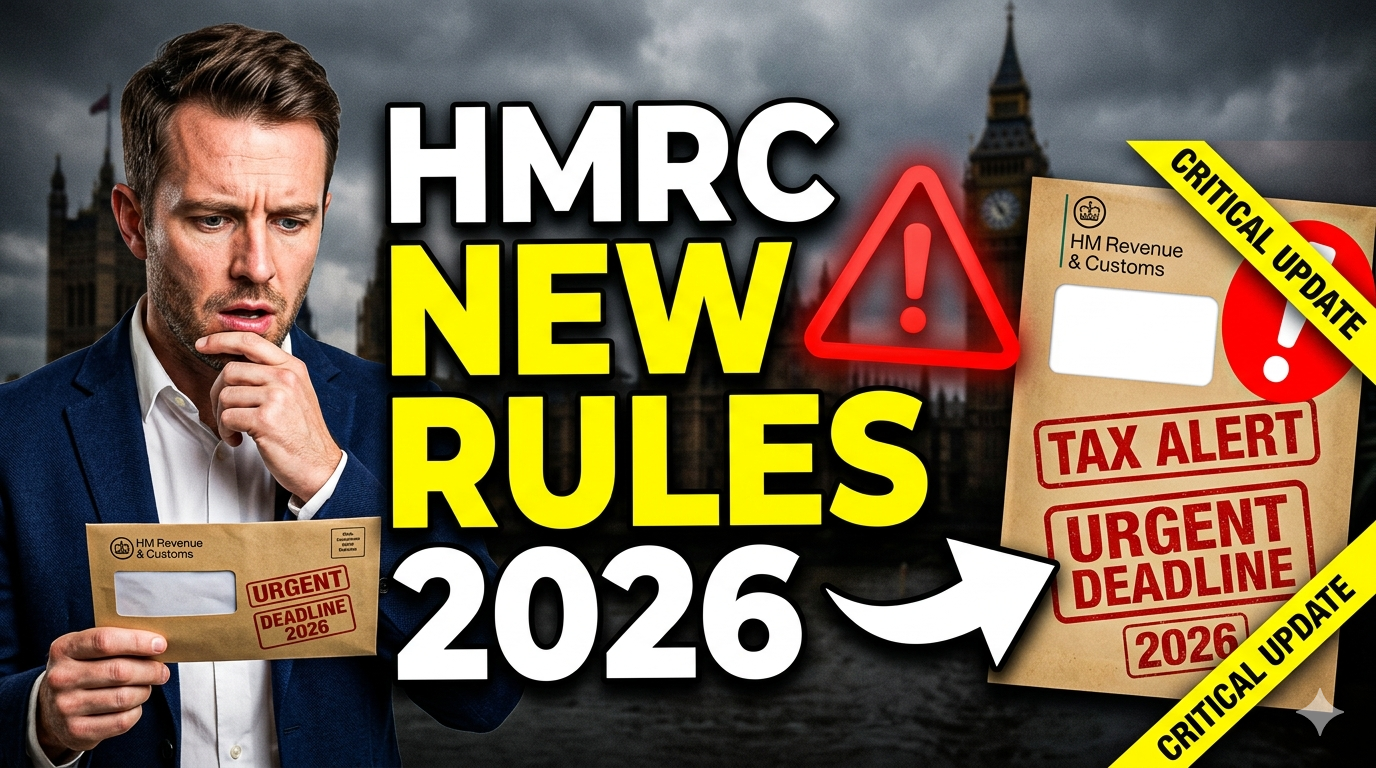
I Have Received a Letter from HMRC – What Does It Mean?
Many taxpayers are saying, “I have received a letter from HMRC—what should I do?” Receiving an HMRC letter can be worrying, but it’s important not to panic.
An HMRC letter may relate to:
- A tax bill or underpayment
- Late filing penalties
- Requests for additional information
- Compliance checks or audits
Always read the letter carefully and respond within the given timeframe. Ignoring it could lead to further penalties or enforcement action.
HMRC London and Administration
HMRC operations are largely managed from London, where decisions about tax policy and enforcement are made. While most services are now digital, HMRC London remains central to handling complex cases and nationwide alerts.
What To Do If You Missed the HMRC Deadline
If you’ve missed a deadline and received an HMRC alert, here’s what you should do:
- Check Your Tax Account via HMRC alert online
- Review Any HMRC Letter you’ve received
- Call the HMRC Contact Number for clarification
- Submit Your Return Immediately if it’s still outstanding
- Request a Payment Plan if you cannot pay in full
Taking quick action can reduce penalties and prevent further complications.
How to Avoid Future HMRC Alerts and Penalties
To stay ahead and avoid future issues:
- File your tax return well before deadlines
- Regularly check your HMRC account
- Keep records of all submissions and payments
- Stay updated on HMRC technical issues today
- Ensure your contact details are correct for alerts
Being proactive is the best way to avoid unexpected tax bills and stress.
Watch Out for HMRC Scams
With increased attention around HMRC alerts, scammers are targeting taxpayers through fake messages and calls. Be cautious of:
- Messages asking for urgent payments
- Suspicious links claiming to be HMRC alert online
- Calls requesting personal or banking details
Always verify through the official HMRC contact number before taking action.